Cart
0
You may also like


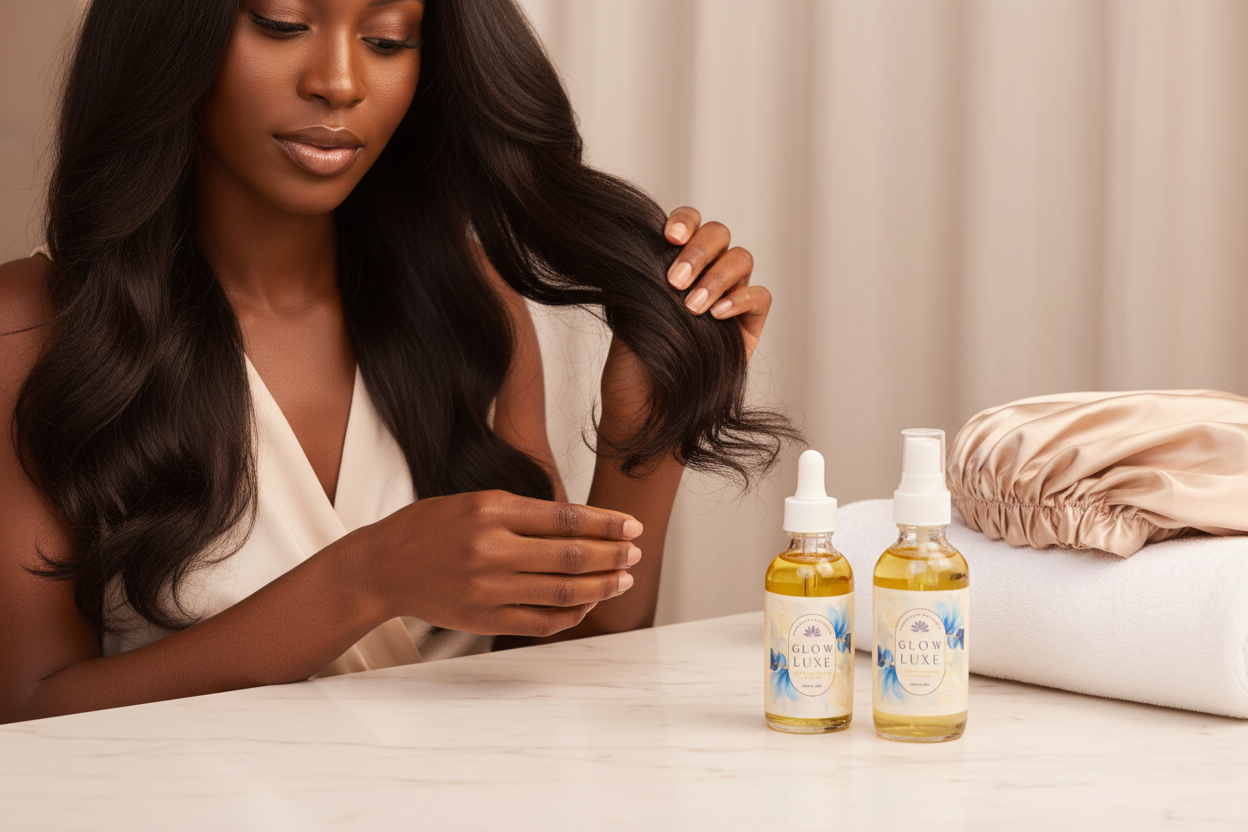
Retain Length & Prevent Hair Breakage is one of the biggest challenges when trying to grow long, healthy hair. Unlike shedding — which involves whole hairs naturally releasing from the follicle as part of the hair growth cycle — breakage occurs when the hair shaft itself breaks. Gentle hair-care practices can help reduce avoidable breakage and support length retention over time.
Hair that becomes very dry may be more prone to roughness, tangling, and breakage. Hair with more curl or coil can sometimes be more susceptible to dryness, as natural oils may have more difficulty traveling down the hair shaft.
What to do:
Your ends are the oldest part of your hair and the most fragile. Protecting them is crucial for length retention.
What to do:
Rough handling is a major cause of breakage. Hair requires a gentle touch, especially when detangling.
What to do:
Excessive heat styling and chemical treatments can weaken your hair structure, leading to breakage.
What to do:
Some hair may benefit from protein-containing conditioning products, particularly if it has a history of heat or chemical processing. How often to use them should be based on the specific product directions and how your hair responds — not a fixed schedule.
What to do:
Some people find that switching to satin or silk reduces friction overnight, which may help minimize tangles and frizz — individual results vary.
What to do:
Healthy hair starts from the inside out. Your diet plays a significant role in overall health, including hair health.
What to do:
Hair of every texture — straight, wavy, curly, and coily — benefits from gentle handling, appropriate conditioning, caring for the ends, and minimizing unnecessary tension and damage. Developing a consistent routine based on your individual hair’s needs is the foundation of supporting length retention over time.
Did you enjoy this post?
Join our beauty community! Get new blog posts delivered to your inbox every two weeks, plus exclusive tips and special offers.
💌 Subscribe to our newsletter and get 10% off your first order with code WELCOME10
Disclaimer:
The information provided in this blog post is for educational and informational purposes only. While we strive to provide accurate and helpful beauty and hair care advice, this content is not intended as medical advice and should not be used to diagnose or treat any health conditions. Always consult with a qualified healthcare provider or dermatologist before starting any new hair care routine, especially if you have scalp conditions, allergies, or sensitivities.
Individual results may vary based on hair type, texture, porosity, and overall health. What works for one person may not work for another, and we encourage you to listen to your hair's unique needs.
This post may contain links to products available at Underneath The Makeup. We stand behind the quality of our Glow Luxe products and only recommend what we genuinely believe will benefit your hair care journey.